Introduction
In the context of promoting innovation and safe development in artificial intelligence (AI) and defending China’s discourse power in the new global AI governance order, Chinese AI legislators bear a pressing responsibility. On May 9, 2026, the “Scholar Proposal for the AI Law” roundtable forum was held at the Zhejiang Hotel in Hangzhou, organized by the Digital Rule of Law Research Institute, the Legislative Research Institute, and the Law School of Zhejiang University, inviting national experts and scholars to discuss legislative plans.
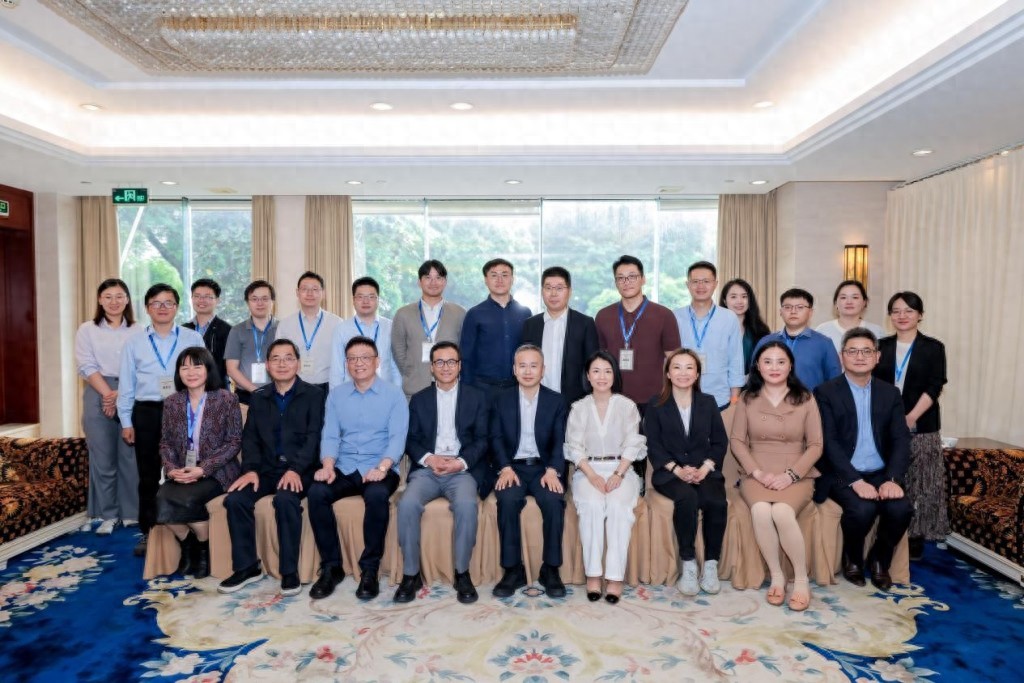
Opening Ceremony
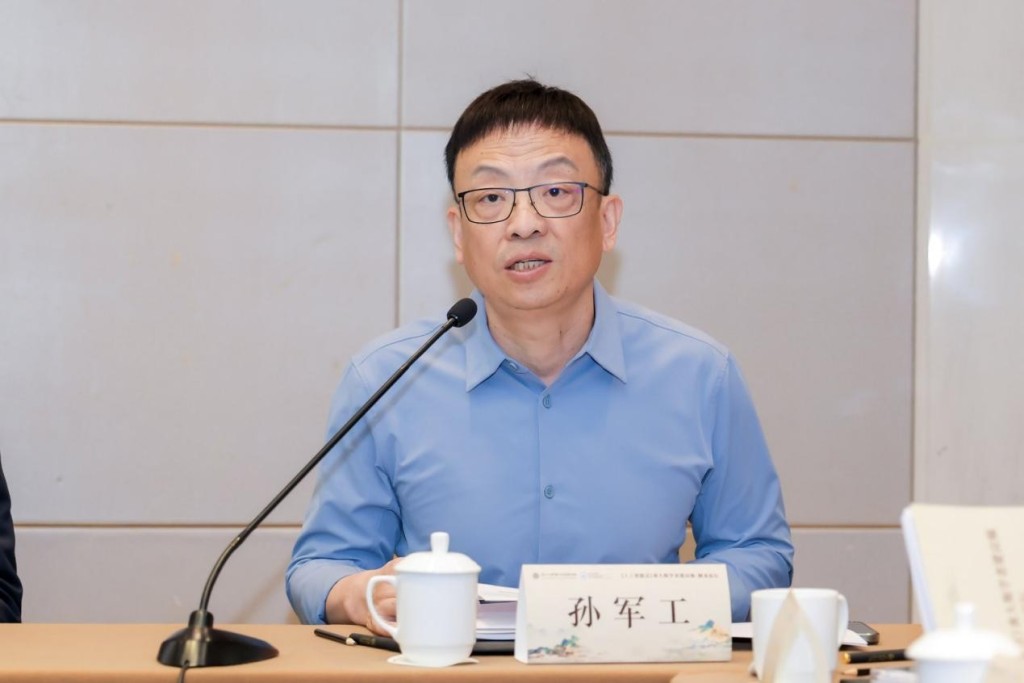
The opening ceremony was hosted by Sun Jungong, a researcher at Zhejiang University’s Guanghua Law School. Zheng Chunyan, the Party Secretary of the Guanghua Law School and Dean of the Legislative Research Institute, delivered a welcome speech, and Sun Xiaoxia, the Director of the Digital Rule of Law Research Institute, elaborated on the basic principles of the proposal draft.
Zheng Chunyan pointed out that the release of the “Scholar Proposal for the AI Law” by Zhejiang University has significant advantages: it is one of the universities in China with the most comprehensive disciplines, possessing a strong tradition of interdisciplinary research in law and computer science. Since 2015, the Guanghua Law School has established the Internet Rule of Law Research Center, focusing on the field of digital rule of law, with a solid foundation and deep accumulation. Located in Hangzhou, a city thriving in the digital economy and becoming a world-class AI industry hub, the Zhejiang University team has deeply participated in drafting local legislation such as the “Regulations on Innovation and Vitality in Hangzhou” and the “Regulations on Promoting the AI Industry,” directly addressing the practical needs of AI industry development. She expressed her expectation to hear valuable opinions from all parties to further improve the proposal draft.

Legislative Guidance
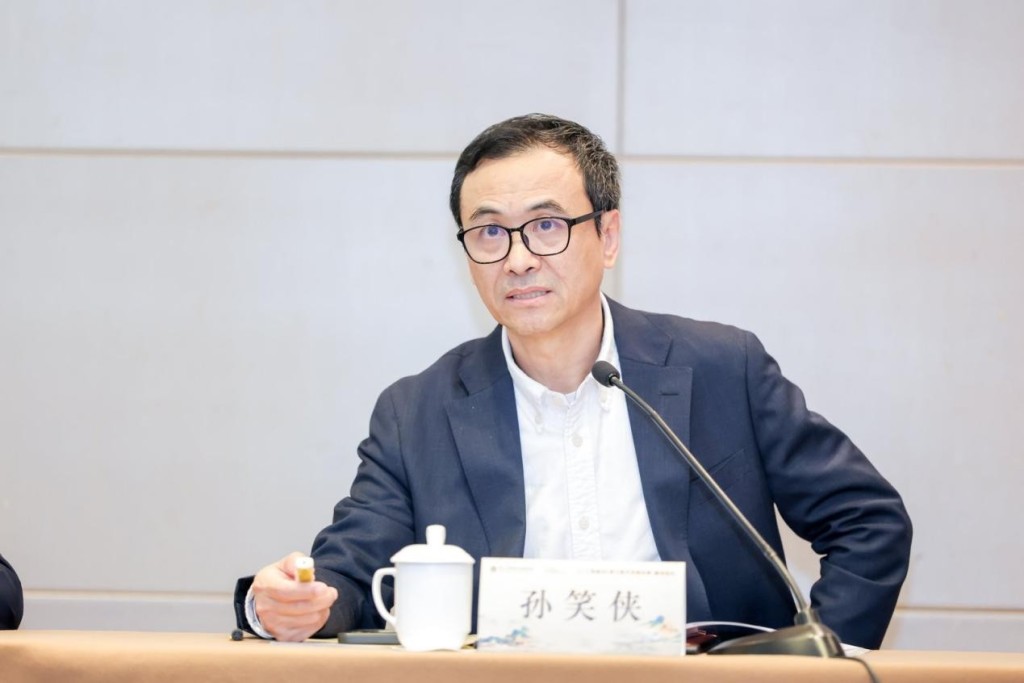
Sun Xiaoxia discussed the “Legislative Guidance” of the scholar proposal for the AI Law, explaining the “Capability-Intelligence-Task Matching” principle. He stated that the fundamental contradiction that AI legislation must first address is the balance between development and safety, requiring a risk breakdown throughout the AI lifecycle. He pointed out that the root of risks in current assessments lies in the mismatch of capability, intelligence, and tasks. This principle includes three dimensions: scenario specificity, balance between safety and development, and responsibility network matching, which can be detailed into six institutional embodiments: phased access and tiered regulation; tiered access based on AI capability, cognitive level, and scenario complexity; scenario-specific usage terms; evaluation methods using “capability to measure intelligence, capability to replace intelligence”; dynamic responsibility allocation and chain governance; and embedding technical standards into legal norms.
Proposal Framework
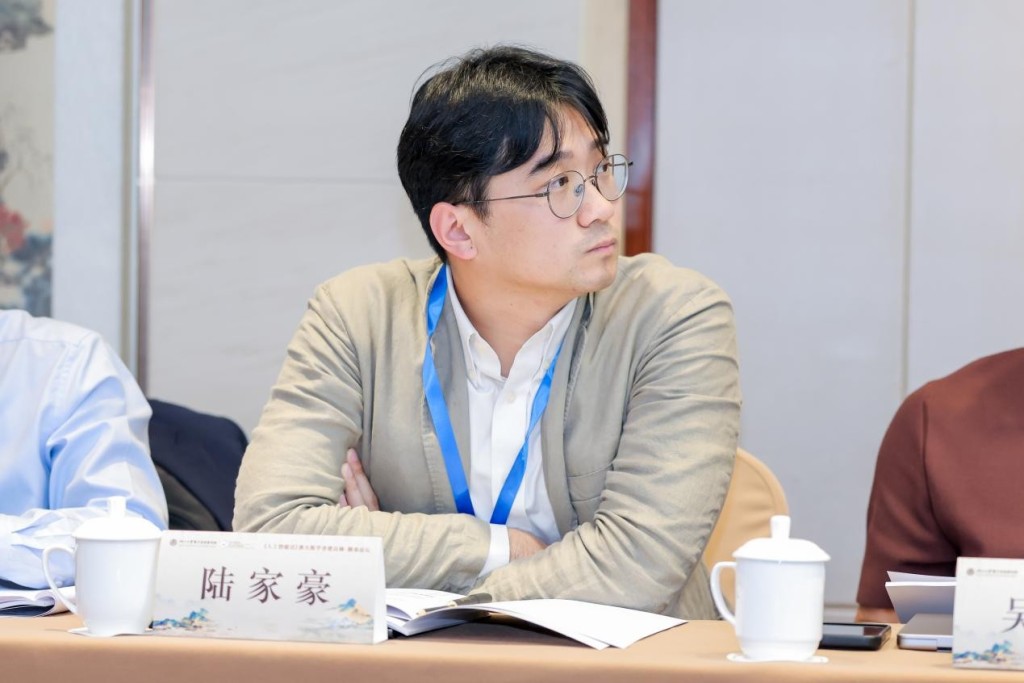
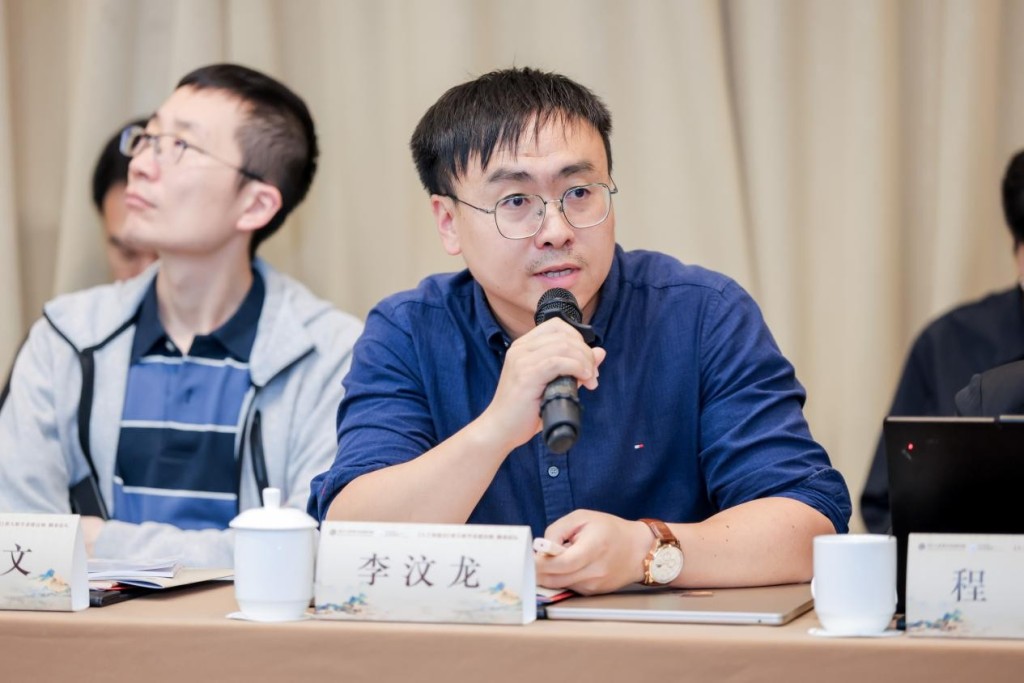
Lu Jiahao, a distinguished associate researcher at the Guanghua Law School, hosted and released the scholar proposal for the AI Law. Li Wenlong, a researcher in the “Hundred Talents Program” at the Guanghua Law School, introduced the research background, methods, and overall framework of the proposal draft.
According to Li Wenlong, the scholar proposal for the AI Law at Zhejiang University widely incorporates recent legislative achievements in AI, transforming traditional legislative thinking that focuses on comprehensive risk or full industry promotion. Based on the “Capability-Intelligence-Task Matching,” it coordinates development and safety, adhering to agile governance that emphasizes lifecycle management and risk adaptation, while embodying values such as “people-oriented, intelligence for good, transparency, accountability, fairness, and multi-stakeholder governance.” The proposal constructs three major structures: general principles, principles layer, and execution layer, covering foundational rules, regulatory systems, execution mechanisms, and risk relief.
Discussion Topics
The roundtable forum was divided into two topics. The first topic, led by Wei Bin, a researcher at the Guanghua Law School, focused on the structure and basic paradigms of AI legislation.

Cai Cuihong, a professor at Fudan University’s Institute of International Studies and Deputy Director of the Global AI Innovation Governance Center, emphasized that AI legislation should pay more attention to the integrity and smooth operation of the governance chain. The institutional design should clarify classification and grading rules, delineate responsible entities, establish risk assessment procedures, allocate regulatory tools, provide channels for appeals and remedies, and define legal responsibility mechanisms to enhance the operability and enforceability of the law. Additionally, in the face of rapid iterations in AI technology, legislation should maintain necessary openness and adaptability through regulatory sandboxes, pilot demonstrations, and dynamic adjustment mechanisms. She also stressed that China’s AI law should have a stronger international perspective, serving not only domestic governance but also becoming an important institutional interface for China’s participation in global AI governance, enhancing the international interpretability, dialogue, and cooperation of Chinese rules.

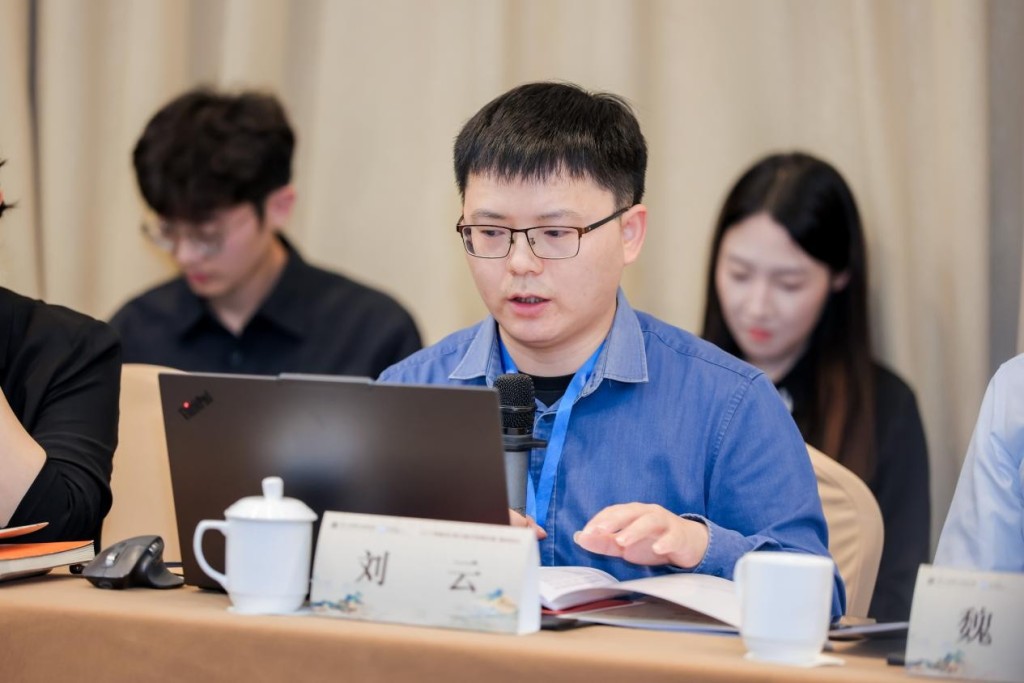
Liu Yun, an assistant researcher at Tsinghua University’s think tank, identified five possible legislative positions for AI governance: the EU’s risk law, the US’s rights law, authority law, Japan and South Korea’s industry promotion law, and the commercial law focusing on “new business forms in the intelligent economy.” He proposed further clarifying the basic positioning of the scholar proposal for the AI Law at Zhejiang University and considering how to implement the national “14th Five-Year Plan” outline regarding AI-related issues.
Guo Bing, Executive Dean of the Data Rule of Law Research Institute at Zhejiang University of Science and Technology, suggested determining the legislative adjustment objects from multiple dimensions, such as key technologies and typical applications, avoiding limiting the adjustment objects to large models or generative AI. The legislative framework should reflect the principle of balancing development and safety, reasonably distributing the weight of development-oriented and safety-oriented rules. The design of the articles should embody the characteristics of extracting common factors, coordinating the relationship between relevant articles and existing departmental regulations, national standards, and ethical norms.

Sun Haocan, a professor at the University of Hong Kong’s Faculty of Law, emphasized that the article setting should consider regulatory costs and focus on the coordination with existing legal provisions such as the Civil Code and the Personal Information Protection Law, clarifying the scope of existing laws to avoid duplicate legislation.

Key Institutional Design
The second topic focused on the implementation of key institutional designs and governance tools, hosted by Wu Yiquan, a researcher in the “Hundred Talents Program” at the Guanghua Law School. He pointed out that this topic discussed four specific issues related to the implementation of the expert proposal: first, the distinction between governance objects and regulatory subjects; second, the changes in governance thinking; third, the choice of governance tools; and fourth, the control of governance scale.

Zheng Zhifeng, Dean of the Higher Research Institute at Southwest University of Political Science and Law, emphasized the need to clarify the unity of subjects in the stages of research, provision, deployment, and use of AI, as well as the relationship between risk definitions in tiered classification management of AI and application scenarios.
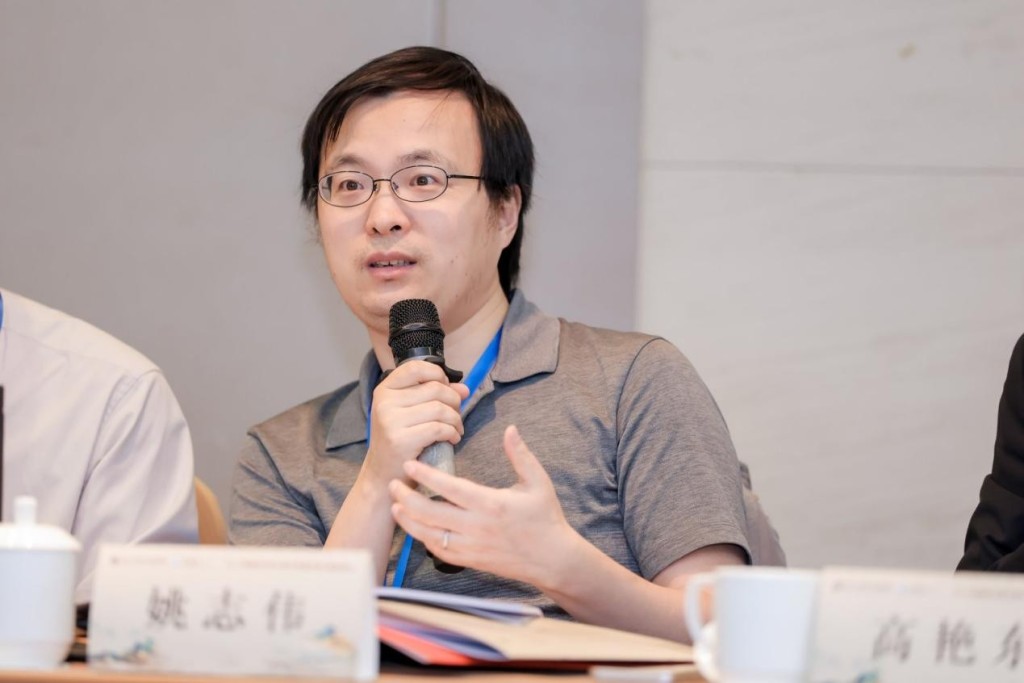
Yao Zhiwei, a professor and director of the AI Law Research Center at Guangdong University of Finance and Economics, argued that the provisions involving responsibility setting require further discussion on the principles of attribution and the tiered classification of AI, suggesting that the establishment of statutory joint liability should consider the basis of common intent.
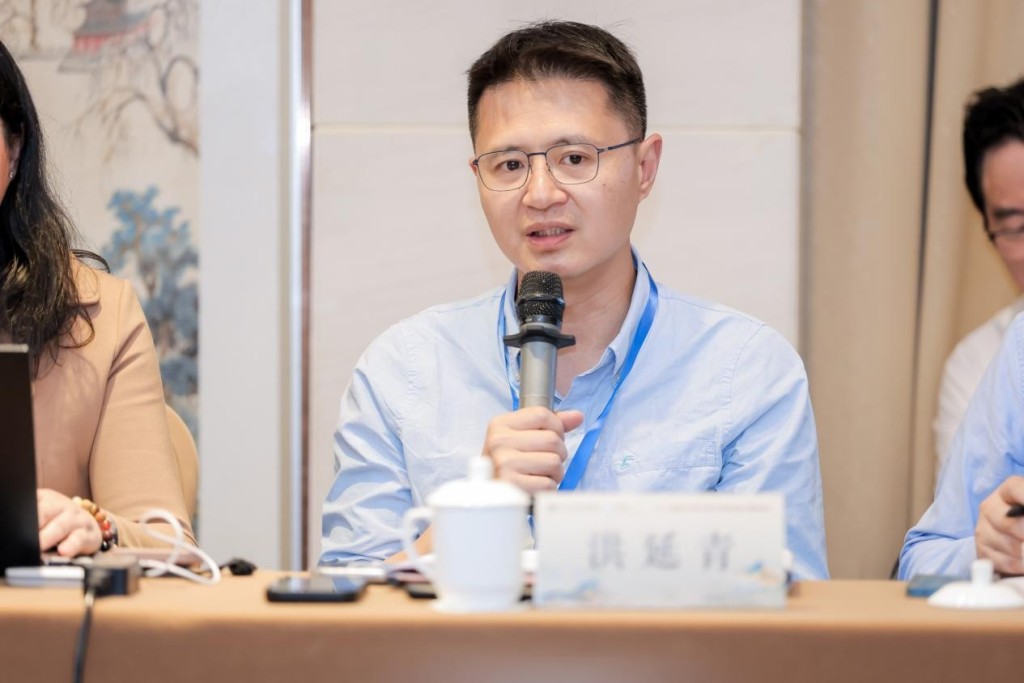
Hong Yanqing, Director of the International Governance Research Base of Cyberspace at Beijing Institute of Technology, proposed that data quality directly determines the capability boundaries of AI models. Therefore, AI legislation must go beyond the narrow scope of internal compliance and technical safety within enterprises; it profoundly impacts industrial innovation vitality, national data sovereignty, and the global digital governance landscape. This means that AI legislation cannot remain at a simplistic safety baseline thinking but requires a richer design for data governance: it must regulate the boundaries of data collection and use while constructing mechanisms to incentivize high-quality data supply; it must ensure data security and personal rights while leaving space for industrial innovation and international cooperation. This represents a legislative conceptual leap from “control” to “good management.”

Cheng Ying, a chief engineer at the Policy and Economic Research Institute of the China Academy of Information and Communications Technology, pointed out three important shifts in AI governance under the new circumstances: first, a shift from “attention economy” to “execution economy” in the context of intelligent agent development; second, a deepening of governance from safety governance to human-machine ethics governance with the enhancement of AI emotional capabilities; third, a shift from governance in virtual space to real physical space with the enhancement of AI perception capabilities. The expert proposal effectively balances development and safety, actively responding to the institutional demands brought about by technological leaps.

Conclusion
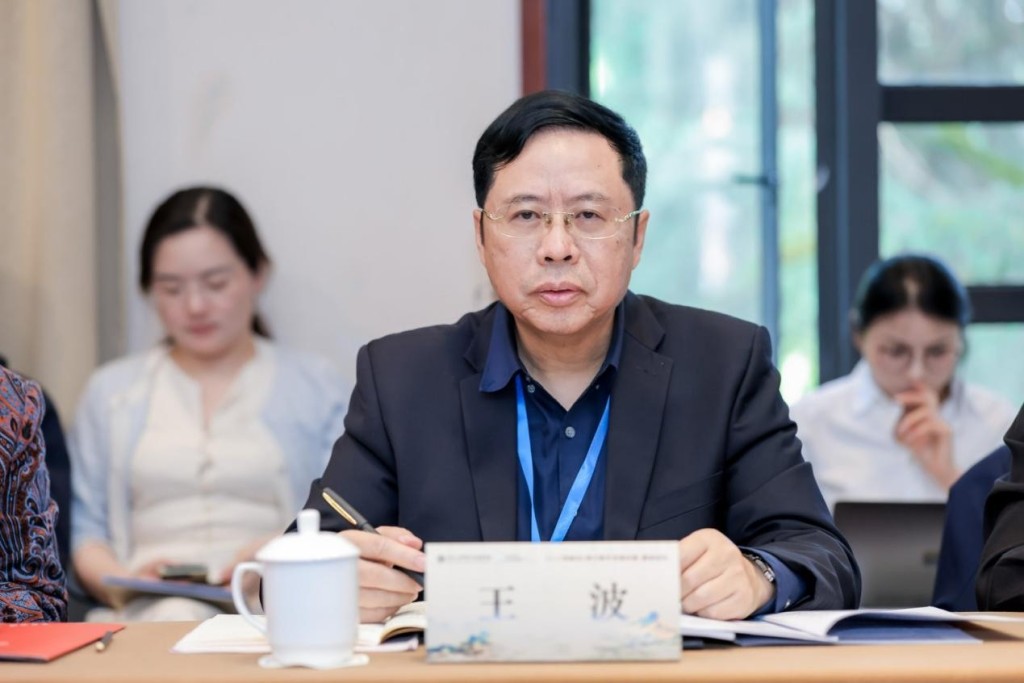
After the topic discussions, Gao Yandong, Deputy Director of the Digital Rule of Law Research Institute at Zhejiang University, hosted a free discussion session. Wang Bo, former chairman of the Legal Committee of the Zhejiang Provincial People’s Congress, Wu Bin, chairman of the Legal Committee of the Anhui Provincial People’s Congress, Zheng Wenjin, Deputy Director of the Legislative Affairs Committee of the Hubei Provincial People’s Congress, and Wu Enyu, Deputy Director of the Legislative Affairs Committee of the Zhejiang Provincial People’s Congress provided valuable suggestions on balancing vitality and order, lifecycle management, ensuring AI industry development, legislative positioning, and legislative authority.
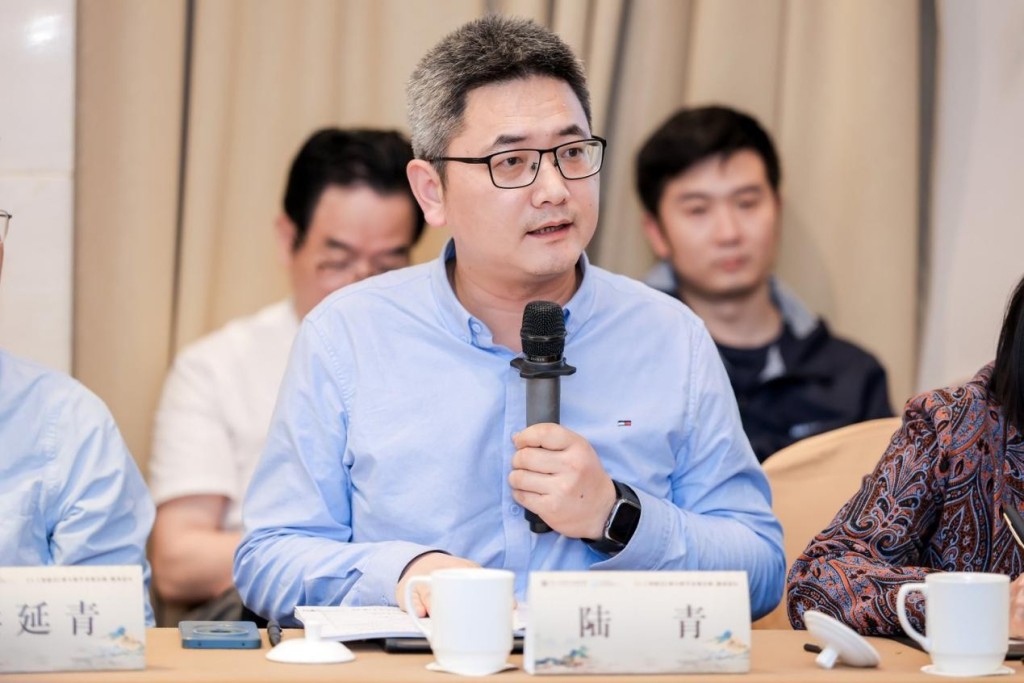
Zhejiang University Guanghua Law School’s Vice Dean and Professor Lu Qing concluded the roundtable forum, expressing gratitude and stating that AI governance is an important research area for the Guanghua Law School. The forum provided direction for further improvement of the “Scholar Proposal for the AI Law” and valuable experience for subsequent refinements. The legal scholars at Zhejiang University will strive for excellence, promoting the public release of the “Scholar Proposal for the AI Law” to contribute wisdom to China’s AI legislation.
Comments
Discussion is powered by Giscus (GitHub Discussions). Add
repo,repoID,category, andcategoryIDunder[params.comments.giscus]inhugo.tomlusing the values from the Giscus setup tool.